

Rain and storms exit RVA
And the real-world impact of unprecedented NOAA firings

4pm Wednesday, March 5, 2025
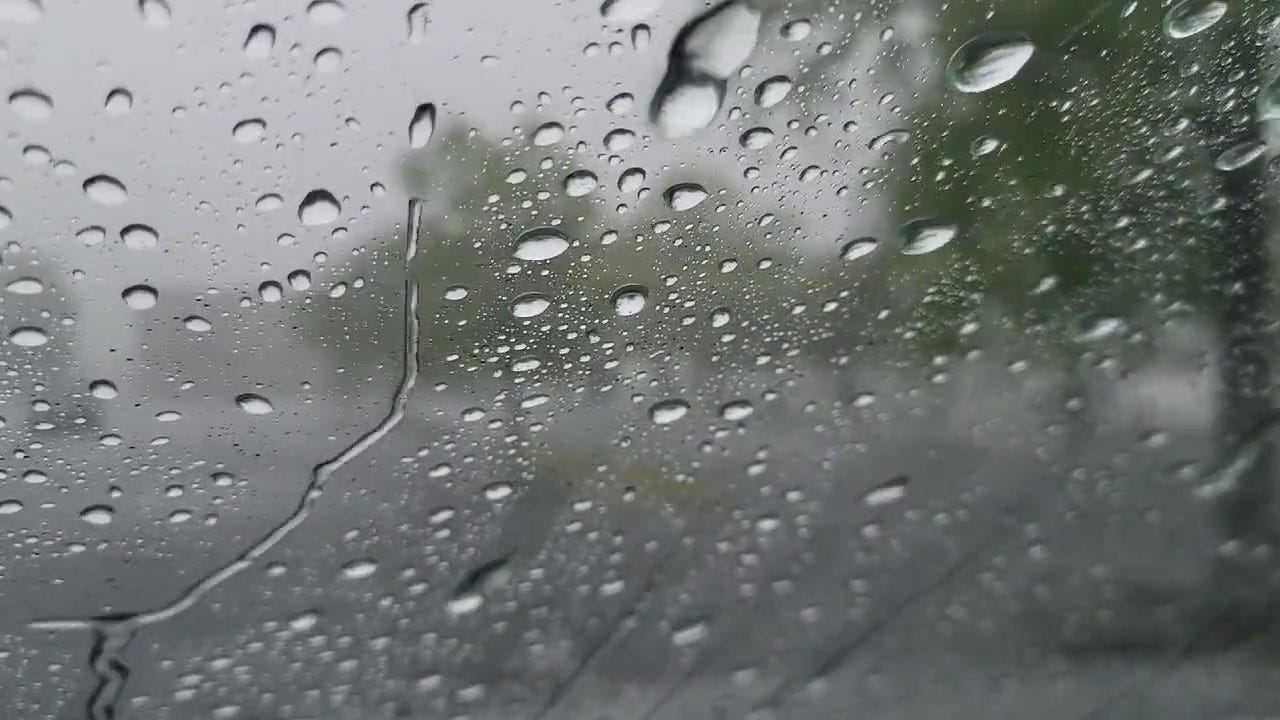
Some trees came down across metro Richmond as the squall line moved through on Wednesday afternoon, with most of the damage reports north of the James River. The standing water from the afternoon deluge — about 2.6 inches of rain — will retreat this evening.
Wind gusts hit 60 mph near Glen Allen and Sandston, and a power line came down near Mechanicsville. At one point, there were about 1200 power outages in Hanover County, but the numbers were far lower in Chesterfield and Henrico Counties. Richmond City had about 1100.
As the rain exits Virginia to the east this evening, a quieter weather pattern follows. The night will remain breezy, and temperatures drop into the 40s — but the damaging wind threat has ended.
Aside from another windy day on Thursday, it’s pretty tame for a while.
Both Thursday and Friday bring sun and some occasional cloudier periods. The afternoon reaches the low 50s on Thursday, then upper 50s Friday.
A few sprinkles may squeak through Saturday morning before the sky turns sunnier in the afternoon, and it’s a little warmer — low 60s.
Sunday is cooler with clouds and sun — holding in the 50s.
Next week, no rain is coming until at least Thursday, and warm weather fans will probably rejoice. Monday afternoon will reach the 60s, then both Tuesday and Wednesday will get into the 70s.
The last time we had back-to-back days in the 70s was the middle of November.
Winter review
Meteorological winter ended on February 28 — defined as the three coldest calendar months of the year. This was the first winter that was colder than average in Richmond since 2014-15, where we are using the 100-year running average since 1915.
Both December and February were just a smidgen (less than one degree) above the 30-year climatological normal, meaning January did all of the work this winter in bringing down the seasonal temperature average. At 4.8 degrees colder than normal, it was the coldest January since 2004.
And we finally got some snow this winter. To be fair, we can still get snow in March, and even in April once in a while. But this season's total of 11.7 inches was the most since 2018-19, which is also the last time we had more snow than the 100-year average amount: 9.7 inches.
Unprecedented Slash and Burn at NOAA
You may have heard about the cuts at the National Weather Service and its parent organization, NOAA — these are federal organizations that fall under the Department of Commerce. More than 800 people were fired without cause and with no real warning.
It is difficult — to say the least — to see scores of professional colleagues suddenly indicate they are looking for work after years of dedicated service to the American public.
Worse, we found out last week that the new administration was not going to renew the lease of a critical NOAA facility — one of its primary national forecast operation centers just outside of Washington.
Then this week, the administration labeled the building which houses the archives of America’s critical weather data as a “non-core property” — suggesting America’s essential weather data is just not important.
Known as the National Centers for Environmental Information (NCEI), this misguided move is especially callous: the building is located in Asheville, NC, where the long and slow recovery from Hurricane Helene’s flooding continues.
Some colleagues at my alma mater, Penn State, put together this sobering 4-minute video to help explain.
Impacts not obvious — at first
In time, this would have a brutal impact on all weather forecasts and research, as the backbone of American weather data — current and archived — comes through those sites.
Shutting them down, forcing out the people, and abandoning the infrastructure means all American weather forecasts would degrade substantially, weather apps would stop functioning, and the work being done to better understand the warming climate would slow to a crawl.
It may not seem like a big deal right now. But tearing down the critical American weather infrastructure and destroying its forecasting abilities will lead to less accurate weather warnings, and in turn, losses of life and property — as data collection is compromised, offices are grossly understaffed, and hardware goes unmaintained.
Think about permanently losing your electricity on a pleasant spring day. You’re probably fine for a couple of days — or even a week or so. But after a couple of months when the heat of summer hits and you no longer have access to air conditioning, the life you had come to enjoy will look very different.
A long-time colleague and President-Elect of the American Meteorological Society, Alan Sealls, explains further in a CBS interview this week.
One final reminder: Don’t forget to set your clocks up this weekend, we shift to Daylight Saving Time during the predawn hours on Sunday morning.